
There’s something truly enchanting about feasting your eyes on the vibrant green layers of Vietnamese steamed cakes, a delightful treat that marries the flavors of mung bean and fragrant pandan. The first time I tasted this layered dessert, I was instantly transported to a bustling market in Vietnam, filled with lively chatter and the sweet scent of coconut wafting through the air.
This recipe not only satisfies your sweet tooth but also unveils the beauty of homemade creations, allowing you to impress guests or simply indulge yourself. Imagine gathering friends for an afternoon tea, the excitement as you unveil your delicious, colorful masterpiece — each slice revealing a harmonious blend of textures and flavors. Best of all, the simplicity of this dish means it can easily become your new go-to for any occasion, transforming ordinary moments into something extraordinary. So, let’s roll up our sleeves and dive into making this delightful Mung Bean and Pandan Layered Dessert right in your kitchen!

Why are Vietnamese Steamed Cakes so special?
Irresistible flavor: The sweet melding of mung beans and coconut milk offers a taste sensation that is both traditional and refreshing.
Stunning presentation: With vibrant green layers, these cakes are a feast for the eyes, making them the perfect centerpiece for gatherings.
Easy to prepare: Despite their impressive look, the recipe is simple, allowing even novice chefs to create a showstopper.
Versatile delight: Perfect for any occasion, from casual tea times to festive celebrations, these cakes will impress your friends and family.
Texture contrast: The harmonious blend of creamy and chewy textures provides a satisfying bite, making it hard to stop at just one slice.
Fun to make together: Gather your loved ones and turn the cooking process into a delightful activity, creating lasting memories in the kitchen.
Vietnamese Steamed Cakes Ingredients
For the Mung Bean Layer
- Dried split mung beans – 1/4 cup (50 g), these beans provide a creamy base full of great taste.
- Water – 1/2 cup (125 ml), used to cook the beans until they’re soft and perfect for blending.
- Full-fat coconut milk – 1/2 cup (125 ml), adds rich flavor and creamy texture to the dessert.
- Granulated white sugar – 1/4 cup (50 g), sweetness that complements the natural flavors beautifully.
- Tapioca starch – 1/2 cup + 1 tbsp (70 g), gives the cake its lovely chewy texture; be sure not to skip this!
- White rice flour – 2 tbsp (15 g), enhances the cake’s structure for that perfect bite.
- Vanilla extract – 1/2 tsp (2 ml), a splash of fragrance that elevates the flavor profile.
For the Pandan Layer
- Pandan leaves – 2 (20 g), these fragrant leaves provide a beautiful green hue and delightful aroma.
- Water – 1/2 cup (125 ml), used to extract the essence of pandan for vibrant flavor.
- Full-fat coconut milk – 6 tbsp (90 ml), contributes creaminess to balance the pandan layer.
- Sugar – 5 tbsp (60 g), sweetness that perfectly offsets the pandan’s earthy taste.
- Tapioca starch – 3/4 cup + 3 tbsp (100 g), ensures the layer holds together beautifully.
- White rice flour – 3 tbsp (25 g), further stabilizes the pandan layer for that ideal texture.
- Pandan extract (optional) – 1/4 tsp, for an extra boost of pandan flavor if desired.
This delectable Vietnamese Steamed Cake is a delightful mix of flavors and textures, sure to become a favorite!
How to Make Vietnamese Steamed Cakes
-
Soak the beans: Begin by soaking the dried split mung beans in water for 3-4 hours to soften them before cooking. This step is crucial for achieving a creamy texture.
-
Cook the beans: Drain the soaked mung beans and cook them with 1/2 cup of water over medium heat until soft. This typically takes about 20 minutes, but check for doneness as they should be tender.
-
Mix mung bean layer: In a mixing bowl, combine the cooked mung beans, full-fat coconut milk, 2 tbsp of water, granulated sugar, tapioca starch, white rice flour, and vanilla extract. Stir vigorously until the mixture is smooth and creamy.
-
Extract pandan flavor: In a separate bowl, blend the pandan leaves with 1/2 cup of water until completely liquefied, then strain to collect the fragrant extract. This step brings out the vibrant flavor of pandan!
-
Prepare pandan layer: In another mixing bowl, combine the extracted pandan liquid with full-fat coconut milk, sugar, tapioca starch, white rice flour, and optional pandan extract. Mix well until the mixture is silky and smooth.
-
Steam the mung bean layer: Pour the mung bean mixture into a greased pan and steam for about 15 minutes until the layer is set and firm to the touch. This is the foundation of your beautiful cake!
-
Add pandan layer: Once the mung bean layer is firm, gently pour the pandan mixture on top. Steam again for around 20 minutes or until the pandan layer has completely set. You’ll love that vibrant green finish!
Optional: Garnish with a sprinkle of toasted sesame seeds for an extra crunch.
Exact quantities are listed in the recipe card below.
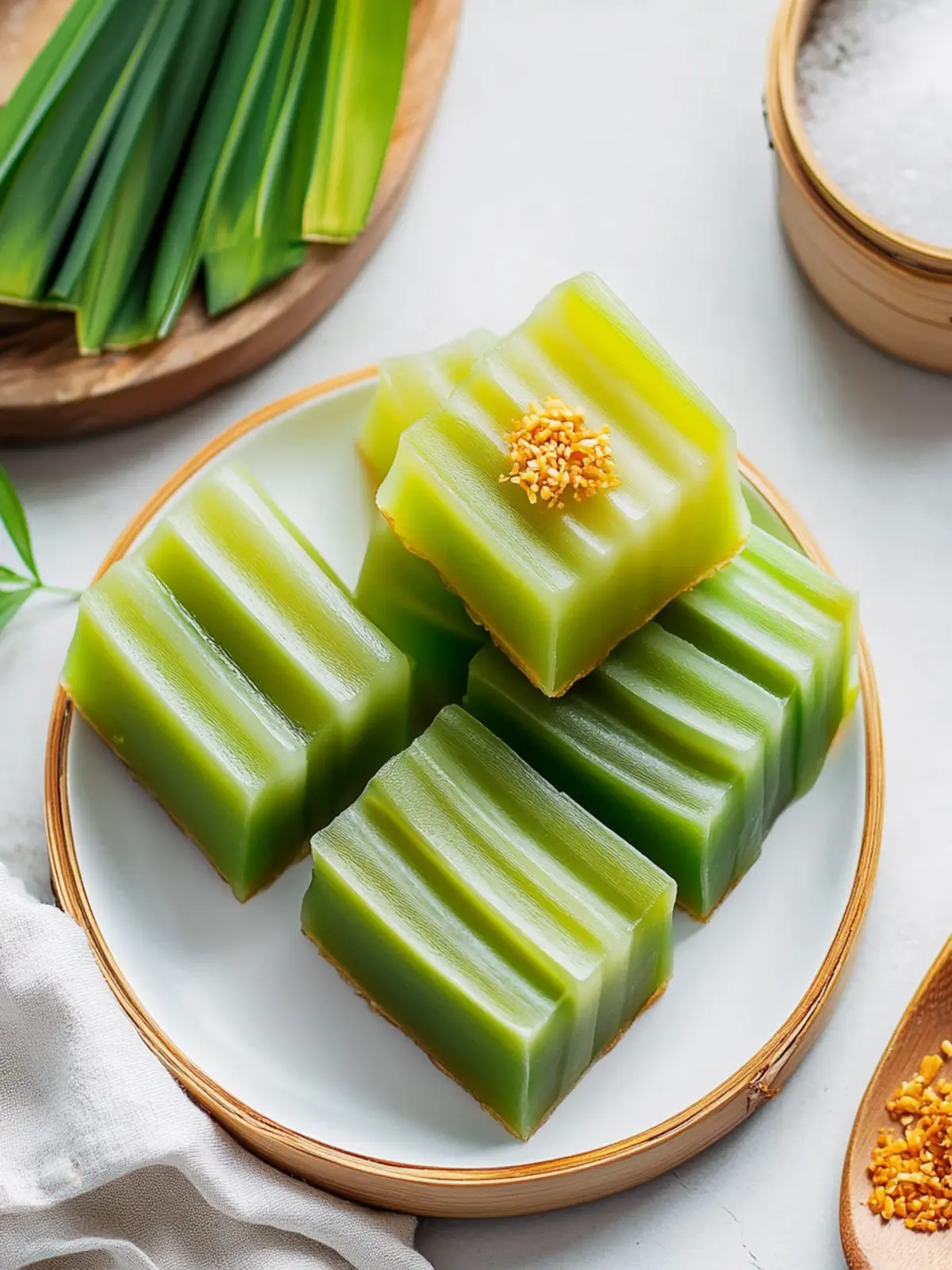
Vietnamese Steamed Cakes Variations
Feel free to unleash your creativity and make this dessert your own with delightful twists and swaps!
- Sweetener Swap: Use maple syrup or honey instead of granulated sugar for a natural sweetness and unique flavor profile.
- Plant-Based Alternative: Substitute coconut milk with almond or oat milk for a lighter version that’s just as delicious!
- Add Some Zest: Incorporate finely grated lime or lemon zest for a refreshing citrus twist that brightens the dessert.
- Nutty Crunch: Fold in crushed peanuts or toasted coconut into the mung bean layer for a satisfying crunch with every bite.
- Vegan Choice: Replace the full-fat coconut milk with a creamy plant-based yogurt for a tangy spin on the traditional flavor.
- Spice it Up: Add a pinch of cardamom or a dash of cinnamon to the mung bean layer for a fragrant twist that warms the soul.
- Colorful Layers: Experiment with adding natural food coloring to different layers for a rainbow effect that’s visually stunning and fun!
- Heat it Up: If you enjoy a kick, sprinkle in some finely chopped chili or add a dash of cayenne to the mung bean layer for a surprising heat that contrasts beautifully.
Let your culinary imagination take flight and create a Vietnamese steamed cake that reflects your tastes!
How to Store and Freeze Vietnamese Steamed Cakes
Room Temperature: Keep your steamed cakes wrapped in plastic wrap or placed in an airtight container for up to 1 day for optimal freshness.
Fridge: Store in the refrigerator for up to 3 days. Make sure they are tightly covered to prevent drying out.
Freezer: For longer storage, these cakes can be frozen for up to 2 months. Wrap each piece individually in plastic wrap, then place in a freezer bag to maintain quality.
Reheating: To enjoy leftover Vietnamese steamed cakes, simply steam them for about 5-7 minutes until warmed through. This method revitalizes their delightful texture!
What to Serve with Mung Bean and Pandan Layered Dessert?
Imagine savoring a lovely piece of this dessert alongside perfect accompaniments that elevate its flavors while tantalizing your taste buds.
- Coconut Sticky Rice: The moist, chewy texture of sticky rice pairs beautifully, enhancing the coconut flavor for a delightful experience.
- Tropical Fresh Fruit: Slices of mango or fresh pineapple feel like a burst of sunshine, adding a refreshing sweetness that lightens the meal.
- Chilled Herbal Tea: A refreshing herbal infusion like pandan or lemongrass tea can cleanse the palate between bites, creating a wonderful balance.
- Roasted Nuts: A sprinkle of crunchy roasted peanuts or sesame seeds offers a delightful contrast, adding rich flavors and an appealing texture.
- Coconut Cream Sauce: Drizzling a little coconut cream on top can take this dessert to new heights, giving it an extra creamy finish that’s utterly indulgent.
- Mochi Ice Cream: The soft, chewy texture of mochi ice cream complements the layered dessert, providing an unexpected twist and a fun bite.
- Coffee or Dark Tea: A cup of rich coffee or strong dark tea enhances the overall experience while balancing the sweetness from the dessert.
- Crispy Spring Rolls: Adding savory crispy spring rolls as a side offers a delicious contrast to the sweet dessert, rounding out a light meal.
- Vietnamese Iced Coffee: For coffee lovers, pairing it with a glass of Vietnamese iced coffee creates a delightful mix of flavors that work harmoniously.
Expert Tips for Vietnamese Steamed Cakes
-
Soaking is essential: Always soak the mung beans for at least 3-4 hours; this ensures they cook evenly and blend smoothly, resulting in the perfect texture.
-
Watch the steaming time: Avoid over-steaming the layers. Keep an eye on them and test for firmness; overdoing it can make the cakes tough.
-
Grease carefully: Make sure to grease your pan well before pouring the mung bean mixture, as this prevents sticking and helps achieve beautiful, clean slices.
-
Use fresh pandan: For the best flavor, use fresh pandan leaves rather than extract, as the natural aroma enhances the overall taste of your Vietnamese steamed cakes.
-
Layer combination: When pouring the pandan mixture, do so gently over the mung bean layer to maintain a distinct separation between the two, creating an eye-catching presentation.
-
Experiment with toppings: Feel free to get creative! Top with shredded coconut or crushed peanuts to add texture and make your Vietnamese steamed cakes even more delightful.
Make Ahead Options
These delightful Vietnamese Steamed Cakes are perfect for busy home cooks looking to save time! You can prepare the mung bean layer up to 24 hours in advance by cooking and assembling the mixture, then letting it cool completely before covering it tightly and refrigerating. The pandan layer can also be made ahead; simply steam it, let it cool, and store in the fridge for up to 3 days. When you’re ready to serve, just re-steam the assembled cake for about 10-15 minutes until warmed through. This ensures your layered dessert is just as fresh and vibrant as the day you made it, allowing you to enjoy a sophisticated treat without any last-minute fuss!
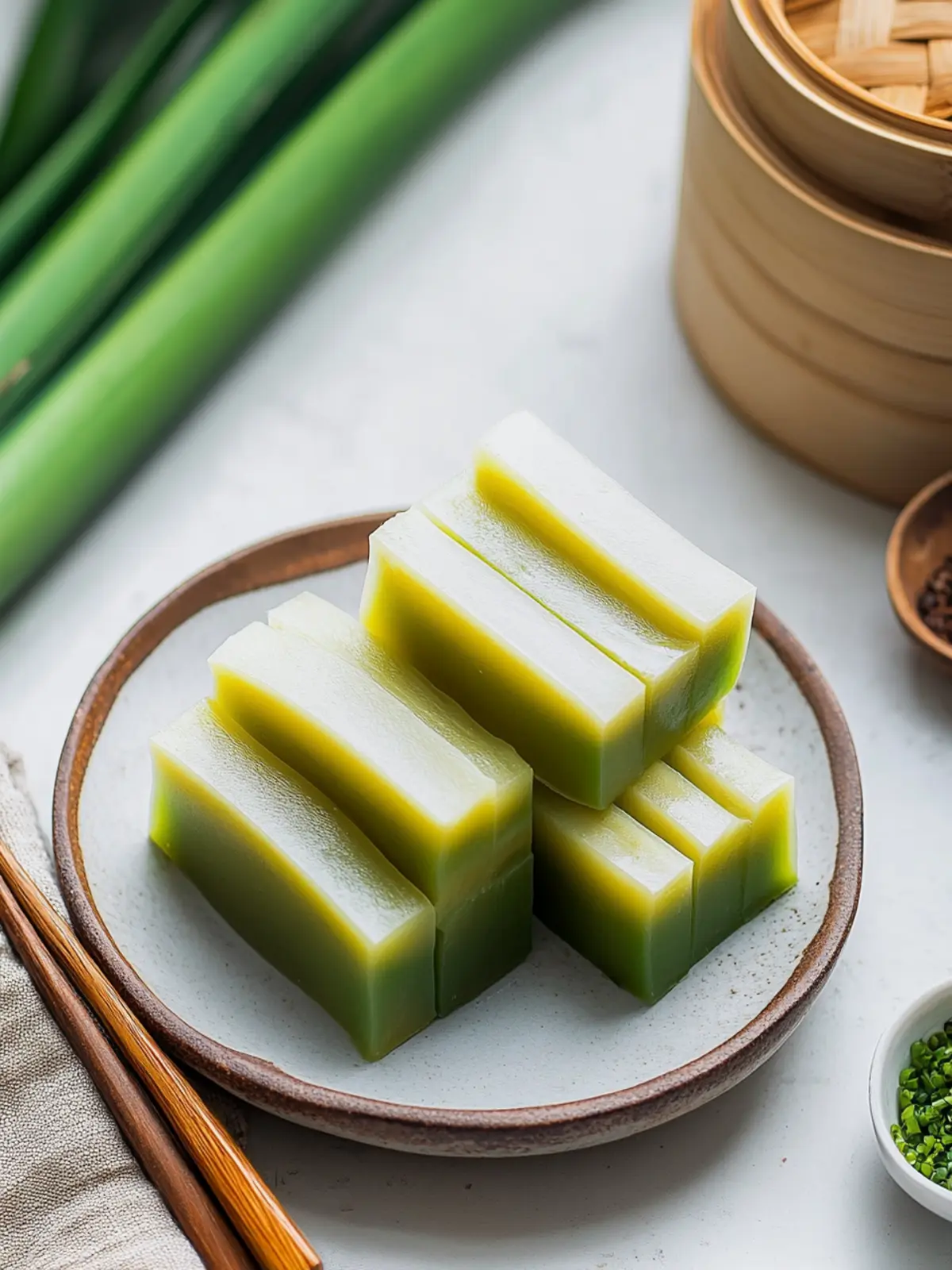
Mung Bean and Pandan Layered Dessert Recipe FAQs
What type of mung beans should I use for this recipe?
Absolutely! For the best results, use dried split mung beans, as they have a creamy texture that works perfectly in the dessert. You can often find them at Asian grocery stores or in the international aisle of your local supermarket.
How should I store leftover Vietnamese steamed cakes?
Very! Store your cakes in the refrigerator for up to 3 days in an airtight container. Be sure to wrap them tightly to prevent them from drying out. If you want to keep them longer, consider freezing them for up to 2 months. Just wrap each piece separately in plastic wrap, followed by placing them in a freezer bag, and you’ll be set for a delightful treat anytime!
Can I freeze the Mung Bean and Pandan Layered Dessert?
Of course! To freeze, follow these simple steps:
- Allow the dessert to cool completely to room temperature.
- Cut into portions, if desired, for easier thawing later.
- Wrap each piece individually in plastic wrap, ensuring there’s no air trapped to prevent freezer burn.
- Place the wrapped pieces in a freezer-safe bag or container labeled with the date.
These can be kept in the freezer for up to 2 months. When ready to enjoy, simply steam the pieces for about 5-7 minutes until warmed through.
What should I do if my mung bean mixture doesn’t blend smoothly?
No worries at all! If your mung bean mixture isn’t smooth, it could be due to undercooked beans. Simply add a little extra coconut milk or water, then blend again until you achieve the creamy consistency you’re looking for. If it’s too thick, that extra liquid will help loosen it up.
Is this dessert suitable for people with allergies?
Very much so! However, it’s always wise to check the specific ingredients used. This recipe contains coconut milk, tapioca starch, and rice flour, so if anyone has allergies to these, it’s best to seek alternatives. For a nut-free option, ensure the coconut milk is safe and skip any toppings that may pose an allergic reaction. Always check with your guests to accommodate their dietary needs!
How can I enhance the flavor of the pandan layer?
I recommend adding a few drops of pandan extract in case you want a more pronounced pandan flavor. Fresh pandan leaves will give you an incredible aroma, but if you want to intensify that, the extract is a wonderful addition. Experimenting with flavor allows you to find the perfect balance that suits your taste!
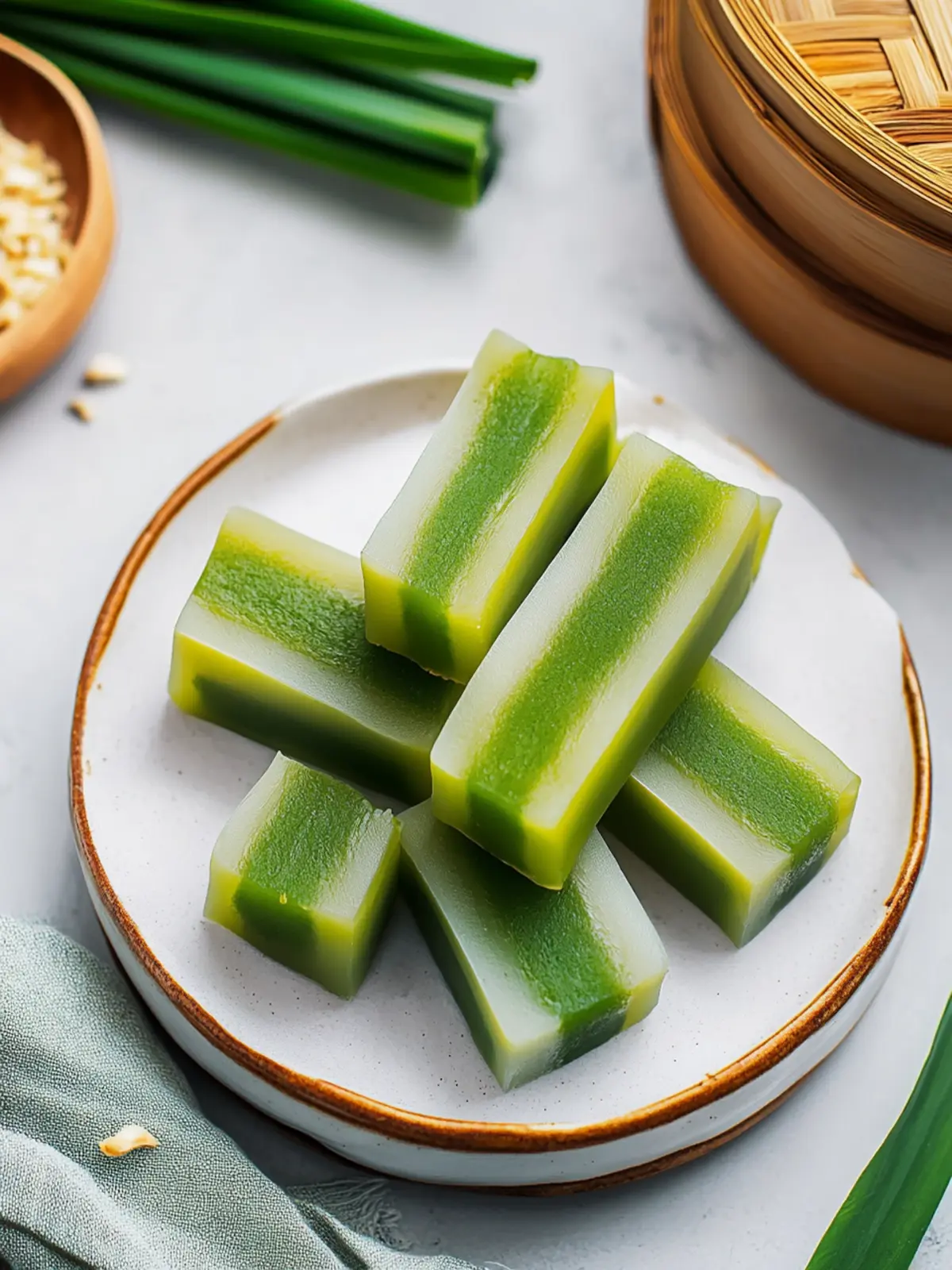
Vibrant Vietnamese Steamed Cakes You Can Make at Home
Ingredients
Equipment
Method
- Soak the beans: Begin by soaking the dried split mung beans in water for 3-4 hours to soften them before cooking.
- Cook the beans: Drain the soaked mung beans and cook them with 1/2 cup of water over medium heat until soft.
- Mix mung bean layer: Combine the cooked mung beans, full-fat coconut milk, 2 tbsp of water, granulated sugar, tapioca starch, white rice flour, and vanilla extract.
- Extract pandan flavor: Blend the pandan leaves with 1/2 cup of water until liquefied, then strain to collect the extract.
- Prepare pandan layer: Combine the extracted pandan liquid with full-fat coconut milk, sugar, tapioca starch, white rice flour, and optional pandan extract.
- Steam the mung bean layer: Pour the mung bean mixture into a greased pan and steam for about 15 minutes.
- Add pandan layer: Once the mung bean layer is firm, pour the pandan mixture on top and steam again for around 20 minutes.