
When you need a dish that effortlessly combines warmth and charm, this Moroccan Couscous with Pine Nuts and Raisins takes center stage. Picture yourself coming home after a long day, and the enticing aroma of buttery shallots and sweet raisins fills your kitchen. It’s moments like these that remind us of the power of home-cooked meals—the way they comfort and nourish us.
I discovered this recipe on a cozy evening, trying to shake off the humdrum of takeout. With the colorful medley of crunchy pine nuts and tender couscous, this dish is both a feast for the eyes and a delight for the palate. Perfect as a side or a light main course, its versatility makes it an instant crowd-pleaser, ensuring everyone at your table leaves satisfied.
So, let’s rediscover the joy of cooking at home as we whip up this easy-to-follow recipe that marries flavor and simplicity. You won’t believe how quickly you’ll be serving up such a delightful dish!
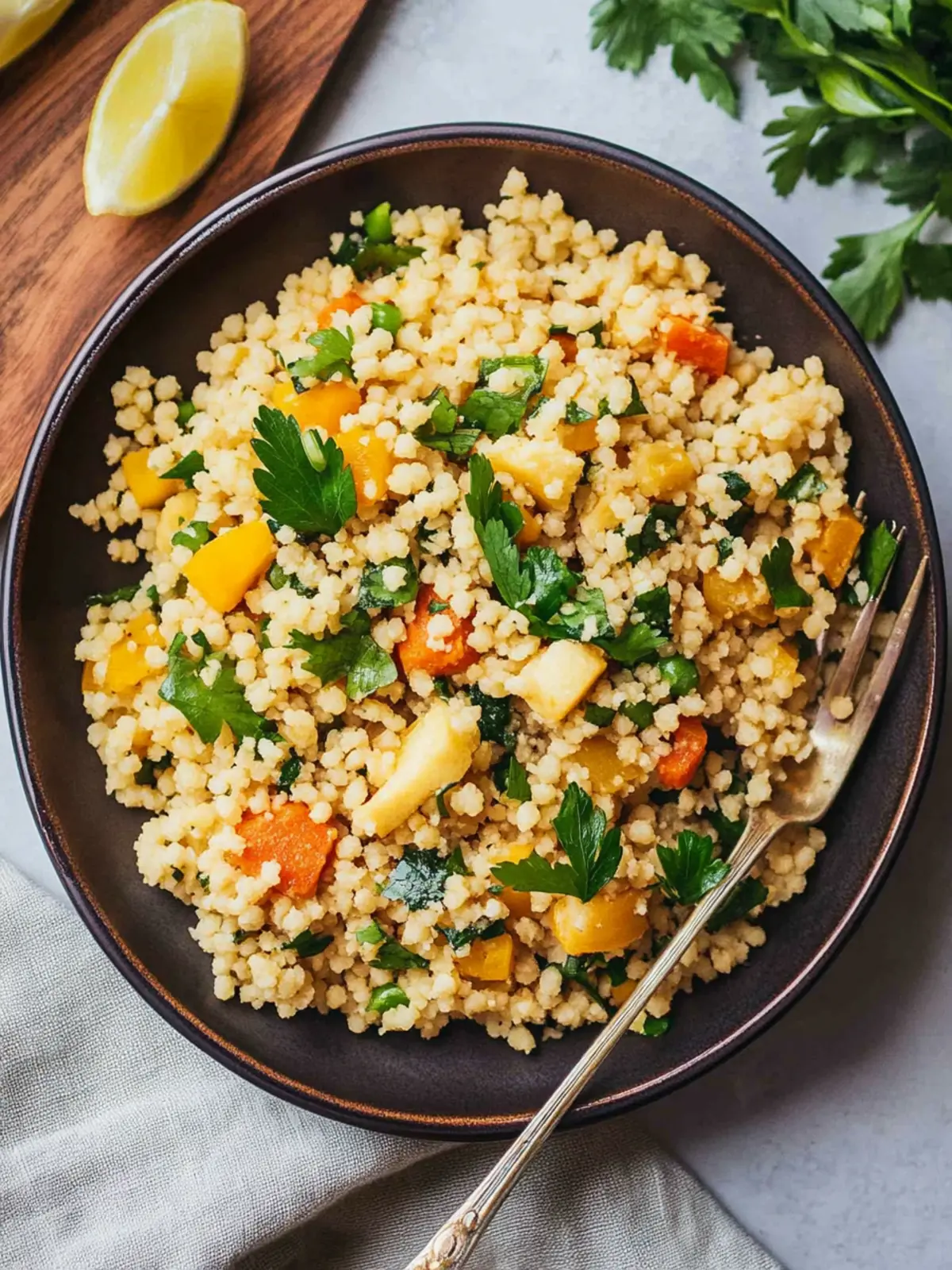
Why is Moroccan Couscous so special?
Comforting warmth: This Moroccan Couscous is infused with buttery shallots and spices, creating a dish that wraps you in a hug with every bite.
Versatile side or main: Perfectly suited for any occasion, it can be served alongside grilled meats or enjoyed as a delightful vegetarian main course.
Nutty crunch: Toasted pine nuts (or your choice of nuts) add a delightful crunch, elevating the texture and flavor balance.
Quick and easy: With minimal prep time, this dish is a time-saver for busy weeknights while still feeling gourmet.
Crowd-pleaser: The combination of sweet raisins and zesty parsley makes it a hit, even with those who think they don’t like couscous!
Rediscover home cooking with this delightful recipe, and enjoy the flavors bursting from each bite!
Delicious Moroccan Couscous Ingredients
• Discover the easy-to-find components for a flavorful dish!
For the Couscous
- 1 cup whole wheat couscous – This key ingredient is nutty and hearty, giving the dish its satisfying base.
- 2 cups low-sodium vegetable broth or chicken broth – Using broth instead of water enhances the flavor profile of your Moroccan Couscous.
For the Aromatics
- 2 tablespoons unsalted butter – Adds a rich, buttery flavor while sautéing the shallots.
- 1 small shallot – Finely chopped, it brings a subtle sweetness and aromatic flavor to the dish.
- ¼ teaspoon kosher salt – Enhances and balances the overall flavor of the dish.
- ¼ teaspoon ground black pepper – A touch of warmth that complements the other ingredients.
- ¼ teaspoon ground cumin – This essential spice provides a warm, earthy note typical of Moroccan cuisine.
For the Toppings
- ⅓ cup golden raisins – Adds a lovely sweetness that contrasts beautifully with the savory elements.
- ¼ cup chopped fresh parsley – Freshness that brightens up the dish and gives it a pop of color.
- 1 tablespoon extra-virgin olive oil – Drizzled for an extra layer of flavor and richness.
- ¼ cup pine nuts or pistachios/slivered almonds – Toast them for a nutty crunch that elevates the dish’s texture and taste.
Now, with these simple and wholesome ingredients, you’re one step closer to creating a memorable Moroccan Couscous that will have everyone asking for seconds!
How to Make Moroccan Couscous
-
Melt the butter: In a pan, melt the unsalted butter over medium heat until it’s foamy, letting its rich aroma start to fill your kitchen.
-
Sauté the aromatics: Add the chopped shallot along with kosher salt, black pepper, and ground cumin; sauté until the shallot is soft and translucent, about 3-4 minutes, unleashing all those delightful flavors.
-
Add the broth: Pour in the vegetable or chicken broth, and bring it to a gentle simmer, allowing all those beautiful spices to infuse the liquid.
-
Cook the couscous: Stir in the whole wheat couscous, then remove the pan from heat. Cover it and let it sit for 5 minutes to absorb the broth and become tender.
-
Fluff and mix: Using a fork, fluff the couscous gently, then mix in the golden raisins, fresh parsley, lemon juice, and olive oil for a vibrant burst of flavor.
-
Toast the nuts: In a separate dry pan, toast the pine nuts over medium heat until golden brown, about 2-3 minutes, and then sprinkle them on top of your couscous before serving.
Optional: Garnish with an extra squeeze of lemon for a refreshing zing.
Exact quantities are listed in the recipe card below.
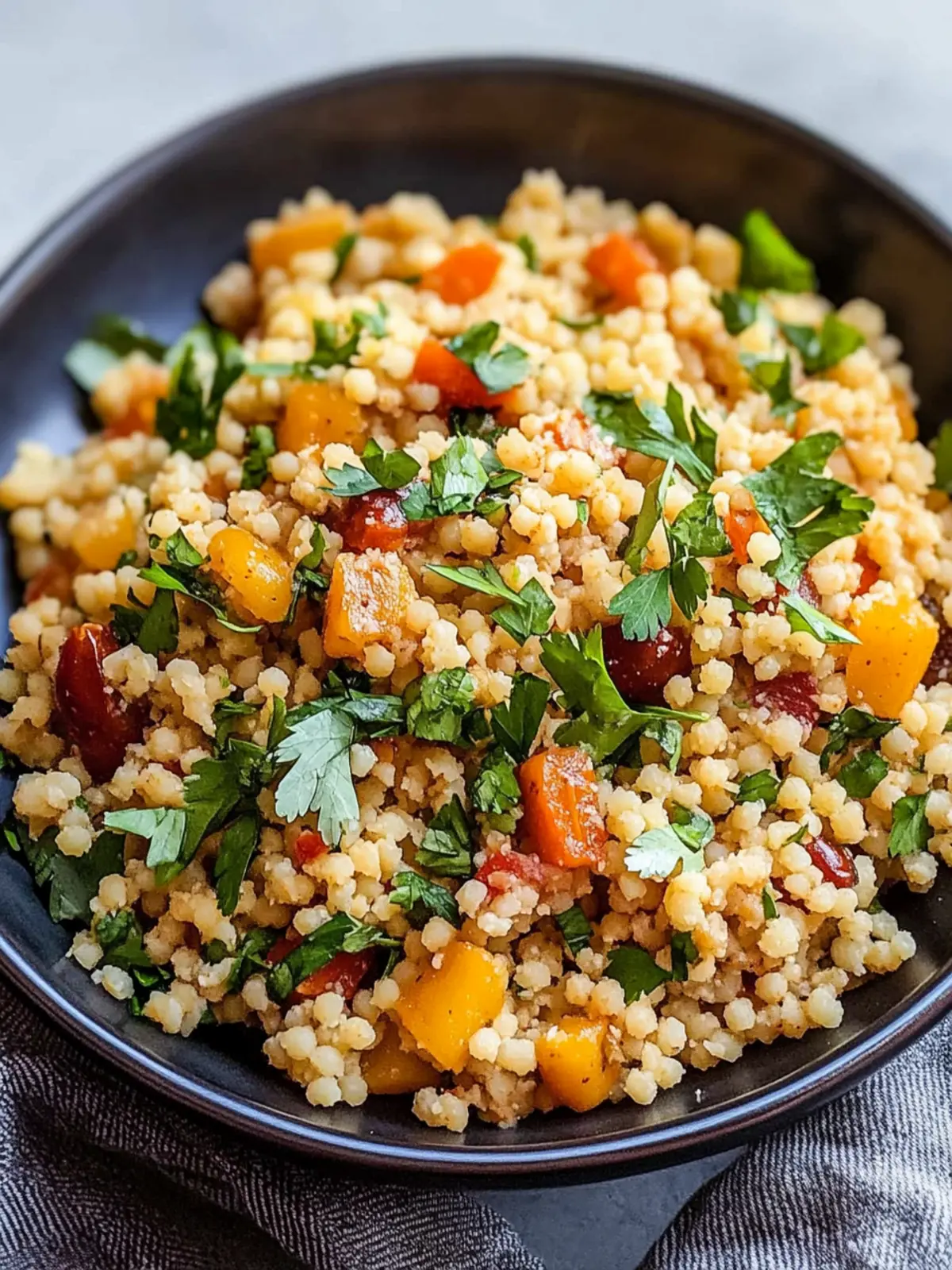
Storage Tips for Moroccan Couscous
Fridge: Store leftover Moroccan Couscous in an airtight container for up to 3 days. This keeps the flavors intact and prevents it from drying out.
Freezer: You can freeze Moroccan Couscous for up to 2 months. Place it in a freezer-safe container, ensuring it’s well wrapped to prevent freezer burn.
Reheating: To reheat, thaw in the fridge overnight and warm gently on the stove or in the microwave with a splash of water to restore moisture.
Room Temperature: Allow Moroccan Couscous to cool before storing, and don’t leave it at room temperature for more than 2 hours to ensure food safety.
What to Serve with Moroccan Couscous?
When you’re serving up this delightful dish, creating a harmonious meal around it can elevate the whole experience.
-
Grilled Lemon Chicken: The tangy citrus flavors really resonate with the lemony undertones of the couscous, making a match made in culinary heaven.
-
Mediterranean Roasted Vegetables: A colorful array of roasted bell peppers, zucchini, and eggplant can add depth and a slight caramelization that complements the couscous beautifully.
-
Crisp Green Salad: Tossed with a light vinaigrette, this fresh salad adds a crunch that counters the softness of the couscous, refreshing your palate.
-
Spiced Lamb Kebabs: Tender and flavorful, they bring a savory richness that pairs perfectly with the sweet raisins and nuts in the couscous.
-
Hummus and Pita Chips: This classic duo offers a creamy texture that contrasts well with the fluffy couscous while adding a Middle Eastern flair to your meal.
-
Tzatziki Sauce: The cool, tangy yogurt sauce enhances the dish and provides a contrasting creaminess that makes each bite more enjoyable.
-
Chickpea Salad: Bursting with proteins and topped with a zesty dressing, chickpeas offer an earthy element that balances the sweetness of raisins wonderfully.
-
Minted Yogurt Drink: A refreshing beverage that cools and cleanses your palate, this drink complements the spices in the couscous effortlessly.
-
Baklava: Finish your meal with this sweet, nutty pastry. Its rich flavors harmonize beautifully with the warm spices of the Moroccan Couscous, creating a satisfying sweet ending.
Expert Tips for Moroccan Couscous
-
Nut Options: Use pine nuts, but feel free to swap them for pistachios or slivered almonds, depending on your preference. Each adds a unique flavor and crunch.
-
Don’t Rush the Sauté: Sauté the shallots until soft and translucent; this step builds a flavorful foundation for your Moroccan Couscous. Rushing can lead to a lack of depth in taste.
-
Broth is Key: Choose a low-sodium vegetable or chicken broth for cooking; it enhances the flavor and makes each bite more satisfying. Avoid using water, as it dulls the taste.
-
Perfect Fluffing: After letting the couscous sit, fluff it gently with a fork to separate the grains while mixing in the other ingredients. This keeps your dish light and airy.
-
Adjust Sweetness: If you prefer a sweeter dish, increase the amount of golden raisins or add a drizzle of honey. Balance is essential for the perfect Moroccan Couscous experience.
Variations & Substitutions for Moroccan Couscous
Feel free to play with the flavors and ingredients of this dish to make it your own!
-
Nuts: Swap pine nuts for pistachios or slivered almonds for a different crunch and flavor twist.
-
Broth Choice: Use low-sodium chicken broth for a heartier taste or vegetable broth for a vegetarian version.
-
Herb Variations: Try fresh mint in place of parsley for a refreshing twist that brightens each bite.
-
Add Protein: Toss in some chickpeas or cooked chicken to turn this side into a satisfying main course.
-
Heat Up: Add a pinch of red pepper flakes or diced jalapeño for some added spice to awaken your taste buds.
-
Dried Fruits: Substitute golden raisins with dried apricots or cranberries for a new sweetness and chewy texture.
-
Citrus Zing: Squeeze in some orange juice along with lemon for a citrusy burst that’s absolutely delightful.
-
Gluten-Free Option: Use gluten-free couscous or quinoa as a base to cater to dietary needs without sacrificing flavor.
Customize this Moroccan Couscous to create a dish that excites your taste buds and feels uniquely yours!
Make Ahead Options
These Moroccan Couscous with Pine Nuts and Raisins are perfect for meal prep, making busy weeknights a breeze! You can prepare the base of the couscous (steps 1-5) up to 24 hours in advance. Simply follow the recipe until you’ve combined the couscous with the broth, then fluff and mix in the raisins, parsley, lemon juice, and olive oil just before serving. Store the prepared couscous in an airtight container in the refrigerator to keep it fresh. Toast the pine nuts separately up to 3 days ahead of time, ensuring their crunch by storing them in a sealed bag away from moisture. When you’re ready to enjoy this delightful dish, simply reheat the couscous gently and top with toasted nuts for the perfect finish!
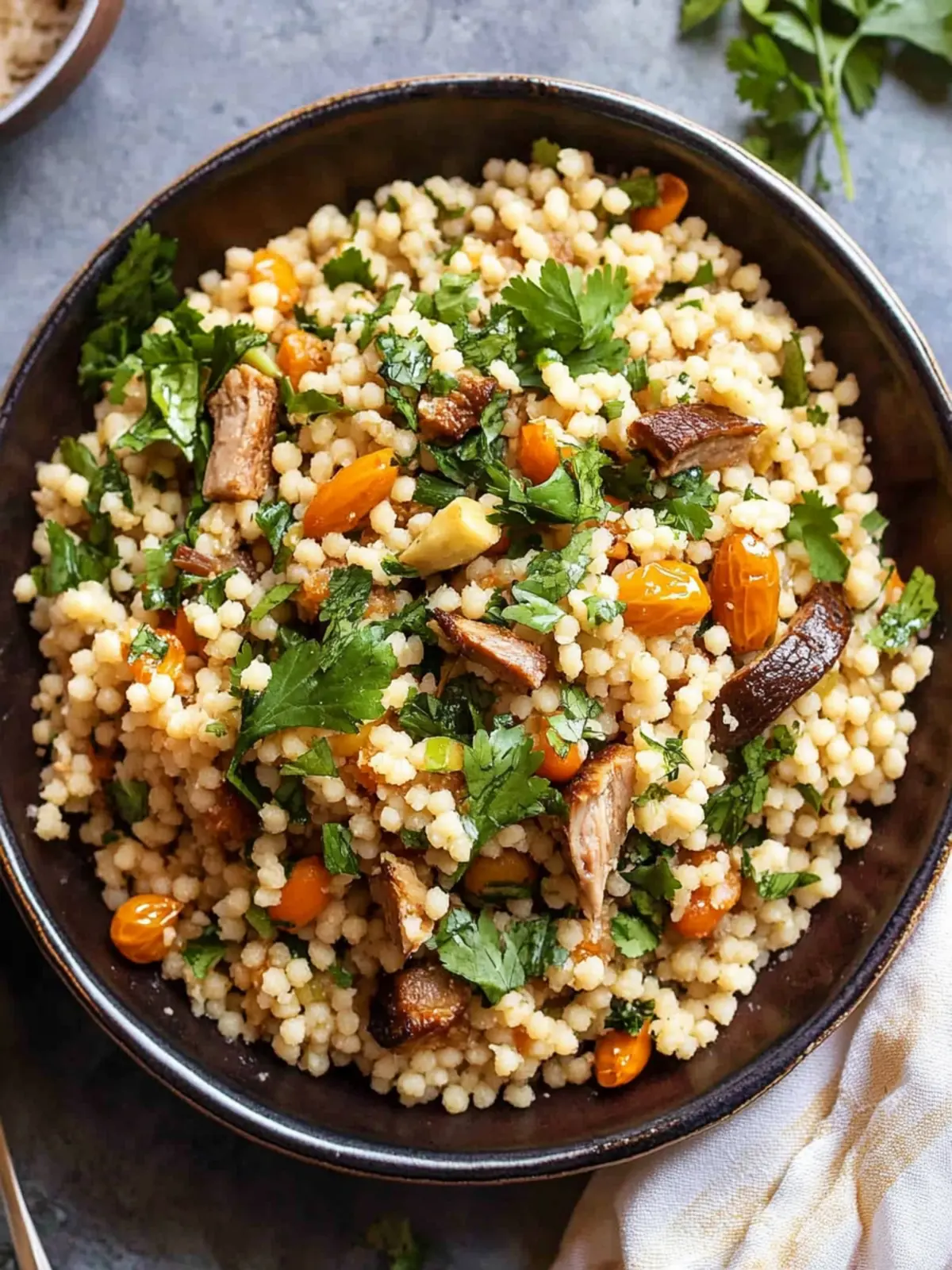
Couscous with Pine Nuts and Raisins Recipe FAQs
How do I select the best pine nuts for my Moroccan Couscous?
Absolutely! Look for pine nuts that are uniform in color, without any dark spots, as these may indicate spoilage. They should have a fresh, pleasant aroma. If fresh pine nuts are hard to find, you can absolutely substitute with pistachios or slivered almonds for a delightful crunch!
What’s the best way to store leftover Moroccan Couscous?
Store your Moroccan Couscous in an airtight container in the refrigerator for up to 3 days. To avoid it drying out, ensure the container is sealed tightly. If you have more than you can eat, freezing is a fantastic option!
Can I freeze Moroccan Couscous, and how do I do it?
Yes, you can freeze Moroccan Couscous for up to 2 months! To do this, allow it to cool completely, then transfer it to a freezer-safe container or a resealable plastic bag. Label it with the date, squeeze out the air, and lay it flat in the freezer. When you’re ready to enjoy it, thaw it overnight in the fridge and then reheat gently on the stove or in the microwave, adding a tiny splash of water to keep it moist.
What should I do if my couscous is clumpy after cooking?
If you find your couscous is clumping, it may be due to insufficient fluffing or not enough liquid. When you let it sit after cooking, make sure to fluff with a fork gently. If you notice it’s still clumpy, add a touch of broth or water while reheating, and then fluff again to separate the grains.
Are there any dietary considerations I should be aware of for Moroccan Couscous?
Very! If you’re serving this dish to guests, be sure to ask about nut allergies, as pine nuts and other nuts are common allergens. For gluten-sensitive individuals, switch the whole wheat couscous for a gluten-free variety made from corn or quinoa. Always ensure your vegetable broth is gluten-free if that’s a concern!
How long can I leave Moroccan Couscous out at room temperature?
It’s advisable to not leave Moroccan Couscous at room temperature for more than 2 hours. To ensure food safety, let it cool for a short while before refrigerating or serving again. If kept out longer, it’s best to discard it to avoid potential foodborne illness.
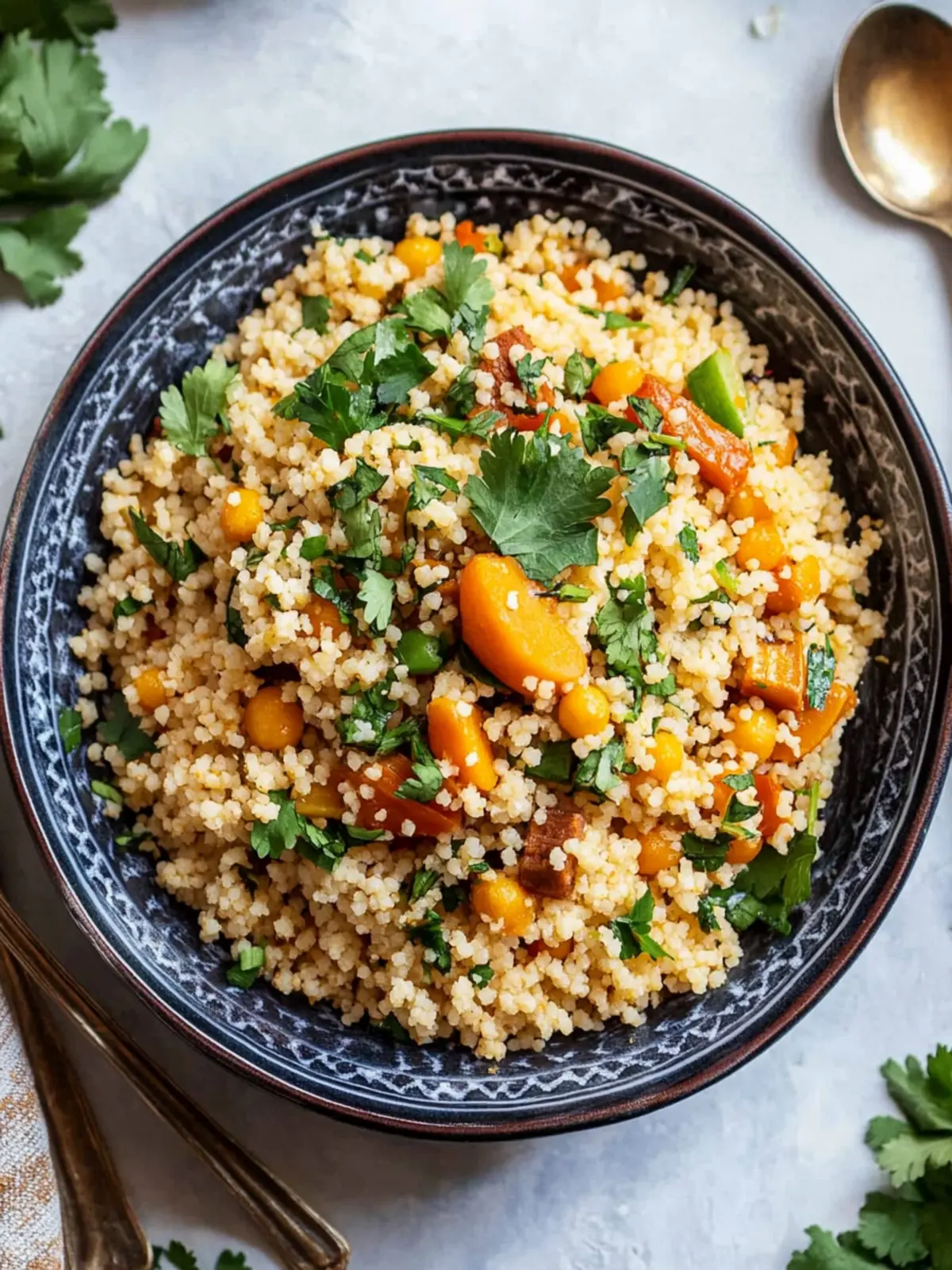
Delicious Moroccan Couscous with Toasted Pine Nuts & Raisins
Ingredients
Equipment
Method
- Melt the butter in a pan over medium heat until foamy.
- Add chopped shallot, kosher salt, black pepper, and ground cumin; sauté until the shallot is soft and translucent, about 3-4 minutes.
- Pour in vegetable or chicken broth and bring to a gentle simmer.
- Stir in whole wheat couscous, remove from heat, cover and let sit for 5 minutes.
- Fluff the couscous with a fork, mix in golden raisins, fresh parsley, lemon juice, and olive oil.
- Toast pine nuts in a separate dry pan over medium heat until golden brown and sprinkle on top before serving.