
The rich, warm scent of spices wafts through my kitchen as I prepare Hashweh with Lebanese Rice Pilaf, a dish that has become a favorite in our household. One delightful evening, after a long day of juggling work and errands, I found myself craving something comforting yet vibrant—a dish that spoke to my love for homemade food as well as my desire to break away from mundane meals. This recipe perfectly fits the bill, turning simple ingredients into a feast for the senses.
Imagine sinking your fork into fluffy basmati rice studded with golden vermicelli, crowned with savory ground beef infused with aromatic Lebanese spices. The crunch of pine nuts and the fresh, zesty lift from lemon wedges elevate this meal to new heights. It’s not only a family-friendly dish, but it also impresses guests at dinner parties with its elegant flair. Ready to experience the magic of this flavorful meal? Let’s dive into this delightful cooking adventure!
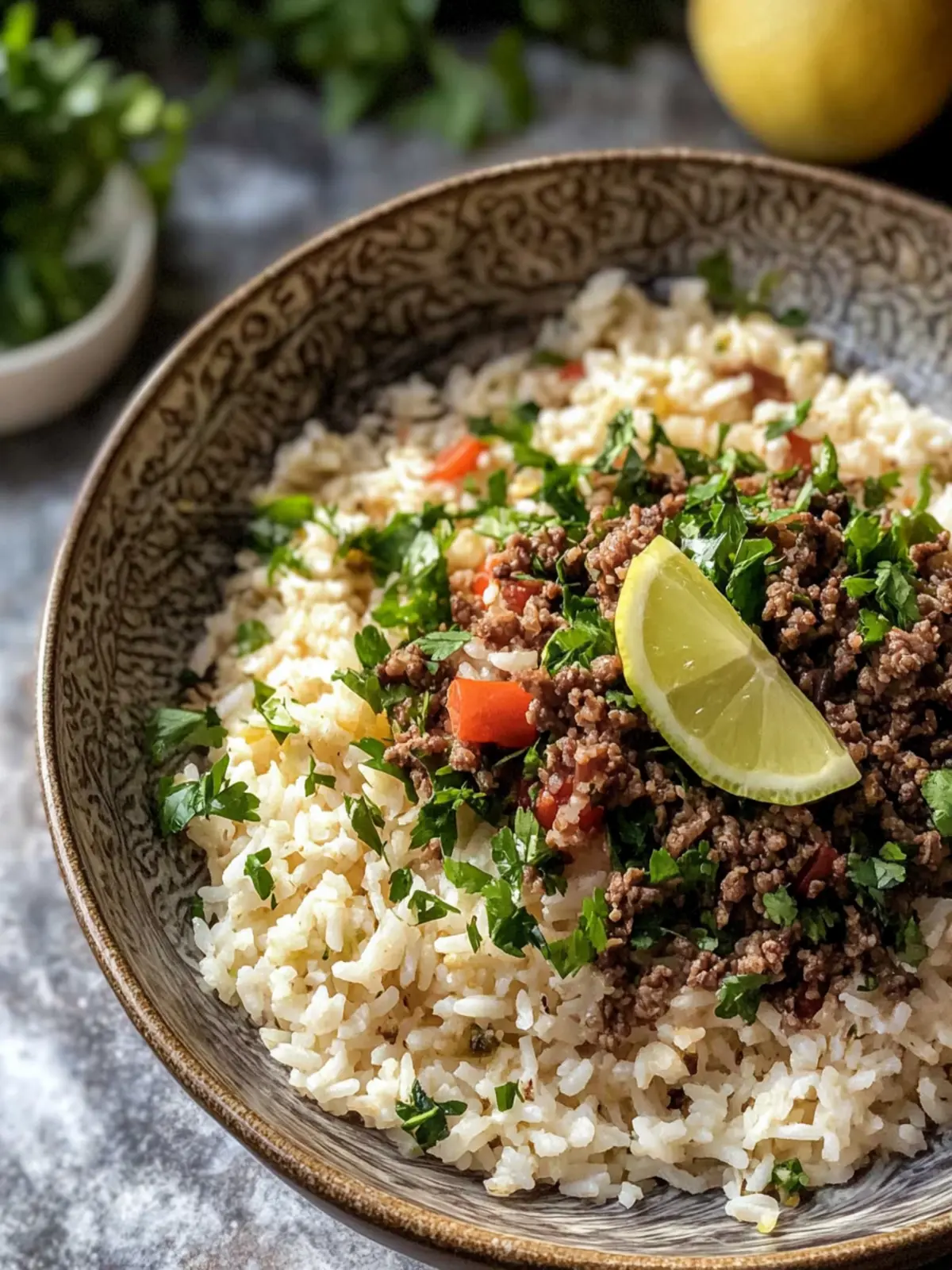
Why is Hashweh with Lebanese Rice Pilaf special?
Comforting, the warm flavors and hearty ingredients make this dish the ultimate comfort food! Versatile, you can easily customize it with your favorite proteins or spices. Quick to prepare, even on busy weeknights, it comes together in about 30 minutes. Impressive presentation with vibrant colors and textures, it’s perfect for family dinners or entertaining friends. For a touch of freshness, try pairing it with a simple salad like this Mediterranean option. Get ready to love every bite!
Hashweh with Lebanese Rice Pilaf Ingredients
Discover the key components that make this dish a family favorite!
For the Pilaf
- Ghee or butter – a rich fat that adds depth; substitute with olive oil for a lighter option.
- Vermicelli pasta – broken into 2-inch pieces, it adds a delightful crunch to the rice.
- Basmati rice – uncooked; the aromatic grains are essential for authentic Lebanese flavor.
- Kosher salt – enhances the dish’s flavors; adjust to taste if you prefer less salt.
- Black pepper – freshly ground for a bold kick.
- Ground cinnamon – adds warmth and depth to the rice profile.
- Boiling water or chicken stock – using stock elevates the overall taste.
For the Meat Mixture
- Ghee or butter (divided) – provides richness; the remaining amount is used for sautéing.
- Pine nuts – toasted for flavor and crunch; they can be swapped for slivered almonds if desired.
- Yellow onion – minced; it brings sweetness and depth to the meat mixture.
- Ground beef or lamb – provides heartiness; choose your protein preference for a delightful taste.
- Lebanese 7 Spice – a unique blend that brings authentic flavor to your Hashweh.
- Black pepper – adds a warm spiciness that complements the dish.
For Garnishing
- Fresh parsley – minced; adds a burst of freshness and color to the final dish.
- Lemon wedges – provide zest and acidity, brightening up each bite of Hashweh with Lebanese Rice Pilaf.
How to Make Hashweh with Lebanese Rice Pilaf
-
Heat Ghee: Begin by heating 1/4 cup of ghee or butter in a pot over medium heat. This step is crucial as it sets the stage for a rich and flavorful base.
-
Toast Vermicelli: Add the broken vermicelli pasta to the pot, cooking it until golden brown. Keep an eye on it, stirring occasionally to prevent burning, approximately 3-4 minutes.
-
Combine Rice: Stir in the uncooked basmati rice, kosher salt, black pepper, and ground cinnamon until everything is evenly mixed. The comforting aroma will start to fill your kitchen!
-
Add Liquid: Pour in 3 cups of boiling water or chicken stock. Bring the mixture to a boil, then cover and reduce the heat to low. Let it simmer until the rice is tender and the liquid is absorbed, about 15-20 minutes.
-
Sauté Pine Nuts: In a separate pan, heat the remaining 2 tablespoons of ghee or butter. Add the pine nuts and minced onion, sautéing them until the onion becomes translucent, about 5 minutes.
-
Brown Meat: Add your choice of ground beef or lamb to the pan. Cook until browned, then stir in the Lebanese 7 Spice and black pepper, letting the fragrant spices meld into the meat.
-
Mix Together: Combine the meat mixture into the pot of cooked rice and stir well to blend all those delicious flavors together.
-
Garnish & Serve: Finish by garnishing with minced parsley and lemon wedges before serving to brighten up the dish and add a pop of freshness!
Optional: Serve with a side of yogurt for a creamy contrast.
Exact quantities are listed in the recipe card below.
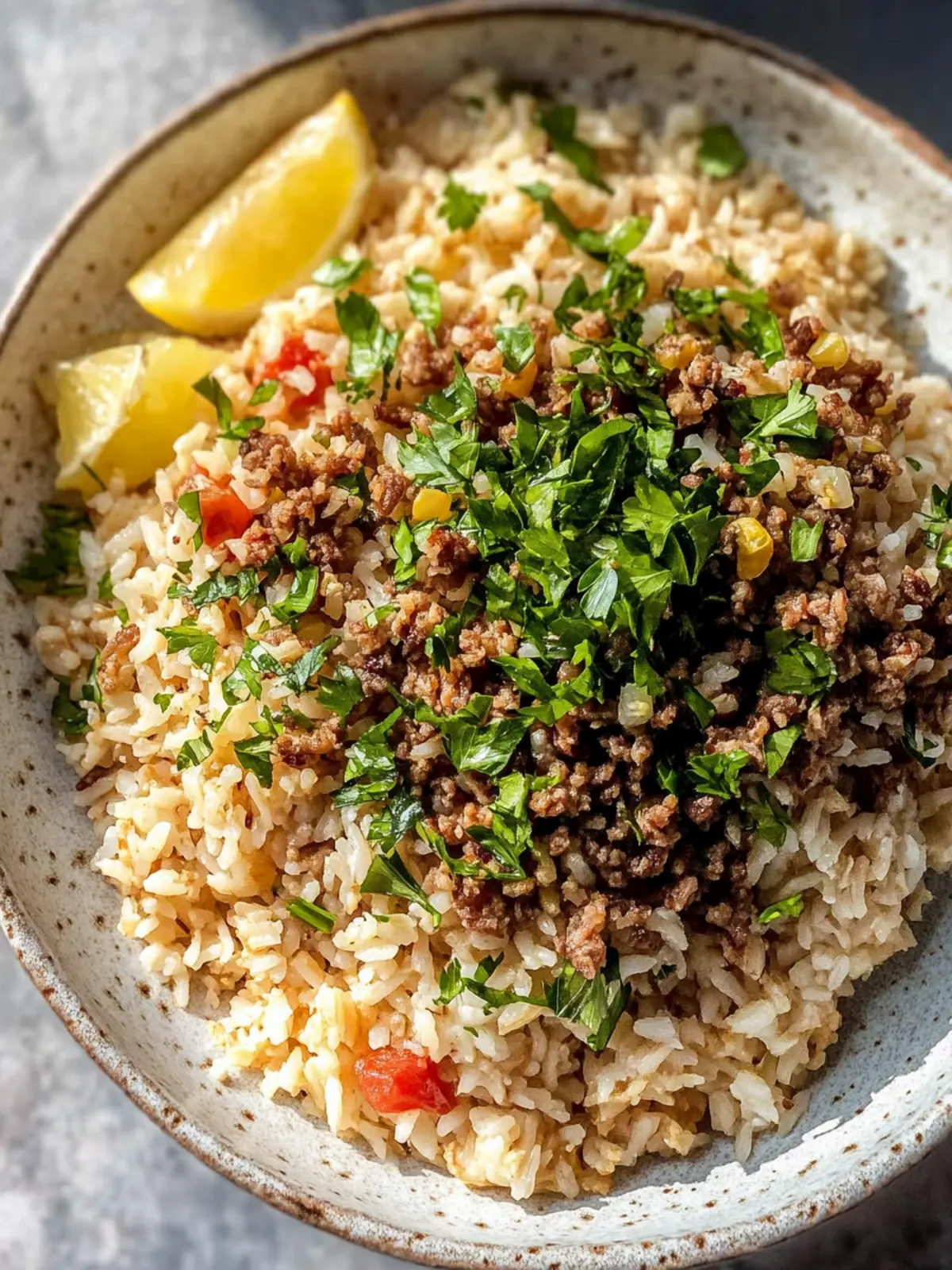
How to Store and Freeze Hashweh with Lebanese Rice Pilaf
Fridge: Store leftover Hashweh in an airtight container in the fridge for up to 3 days. Reheat gently on the stovetop or in the microwave with a splash of water to maintain moisture.
Freezer: For longer storage, freeze portions of Hashweh in airtight containers or freezer bags for up to 2 months. Thaw overnight in the fridge before reheating.
Reheating: When you’re ready to enjoy your frozen Hashweh, reheat it on the stovetop or microwave until steaming hot, stirring occasionally to ensure even heating.
Room Temperature: Avoid leaving Hashweh out for more than 2 hours at room temperature to maintain food safety.
Make Ahead Options
These Hashweh with Lebanese Rice Pilaf is perfect for meal prep aficionados seeking time-saving solutions in the kitchen! You can prepare the rice pilaf up to 24 hours in advance, cooking the basmati rice and vermicelli as instructed, then let it cool before refrigerating in an airtight container. The meat mixture can also be cooked ahead of time and stored for up to 3 days. Simply reheat the rice and meat separately on the stove or in the microwave when you’re ready to serve. Just remember to stir in some fresh parsley before serving to keep that vibrant flavor. Enjoy the convenience of having a comforting meal ready with minimal effort!
Hashweh with Lebanese Rice Pilaf Variations
Feel free to explore these exciting twists to personalize your Hashweh with Lebanese Rice Pilaf!
-
Vegetarian: Replace ground beef or lamb with a can of chickpeas or sautéed mushrooms for a delightful plant-based option. You’ll still enjoy that hearty texture!
-
Spicy Kick: Add diced jalapeños or a sprinkle of red pepper flakes to the meat mixture to bring delightful heat to the dish. Adjust the amount based on your heat preference!
-
Herb-Infused: Enhance the rice with fresh mint or cilantro in addition to parsley for an herbaceous twist. This will brighten the flavors and transport you to a lush garden.
-
Nut-Free: Skip the pine nuts and try sunflower seeds for similar crunch without the allergy concerns. Toast them lightly, and they’ll still add a lovely texture to your meal.
-
Cinnamon Lovers: Increase the ground cinnamon to 1/4 teaspoon for an extra layer of warm spices in the pilaf. Just a little more will deepen the flavor profile wonderfully!
-
Lemon Zest: Grate some lemon zest into the rice before serving for a fresh, zesty lift that dances across your palate with each bite. It’s a fantastic way to brighten the dish!
-
Bulgur Wheat: Swap out basmati rice for bulgur wheat; this gives a nutty flavor and chewy texture while embracing traditional Middle Eastern grains. It’s a wholesome and nutritious alternative!
-
One-Pot Wonder: Combine everything in one pot for an even easier version! Add all ingredients at once and cook; it will result in similar flavors with less cleanup required.
Enjoy crafting your unique version of this beloved dish!
What to Serve with Hashweh with Lebanese Rice Pilaf?
Transform your meal into a feast with these delightful pairings that complement the rich flavors of Hashweh!
-
Tzatziki Sauce: A cool, creamy yogurt dip with cucumber and garlic offers a refreshing contrast to the warm spices in Hashweh.
-
Mediterranean Salad: Crisp greens and vibrant veggies tossed in a tangy vinaigrette add a light and fresh element to the meal.
-
Grilled Vegetables: Smoky, charred vegetables such as zucchini, bell peppers, and asparagus provide a delicious textural contrast and extra nutrients.
-
Pita Bread: Soft and warm pita serves as a perfect vessel for scooping up Hashweh, making every bite a delightful experience.
-
Garlicky Yogurt Sauce: Drizzle this creamy sauce over your dish for added richness and a punch of flavor that pairs beautifully with the spices.
-
Stuffed Grape Leaves: These tangy, savory bites introduce additional Mediterranean flavors and textures, enhancing the overall experience.
-
Mint Lemonade: A refreshing drink with mint and a splash of lemon provides a zesty finish to your meal, balancing the savory notes of Hashweh.
-
Date and Nut Rolls: End your meal on a sweet note with these chewy treats filled with natural sweetness and a hint of spice, offering a comforting finish.
Expert Tips for Hashweh with Lebanese Rice Pilaf
-
Perfectly Toasted Vermicelli: Keep an eye on the pasta while toasting, stirring occasionally to achieve a golden brown without burning.
-
Flavorful Liquid: For a richer dish, opt for chicken stock instead of water to infuse the rice with savory depth in your Hashweh with Lebanese Rice Pilaf.
-
Spice Adjustment: Taste as you cook and adjust the spice levels to suit your preferences; don’t be shy to enhance the flavor with more Lebanese 7 Spice.
-
Avoid Overcooking Rice: Once the rice is done cooking, remove it from heat immediately to prevent overcooking and maintain its fluffy texture.
-
Garnish Wisely: Don’t skip the fresh parsley and lemon wedges—they add brightness and contrast, making your dish visually appealing and deliciously zesty.
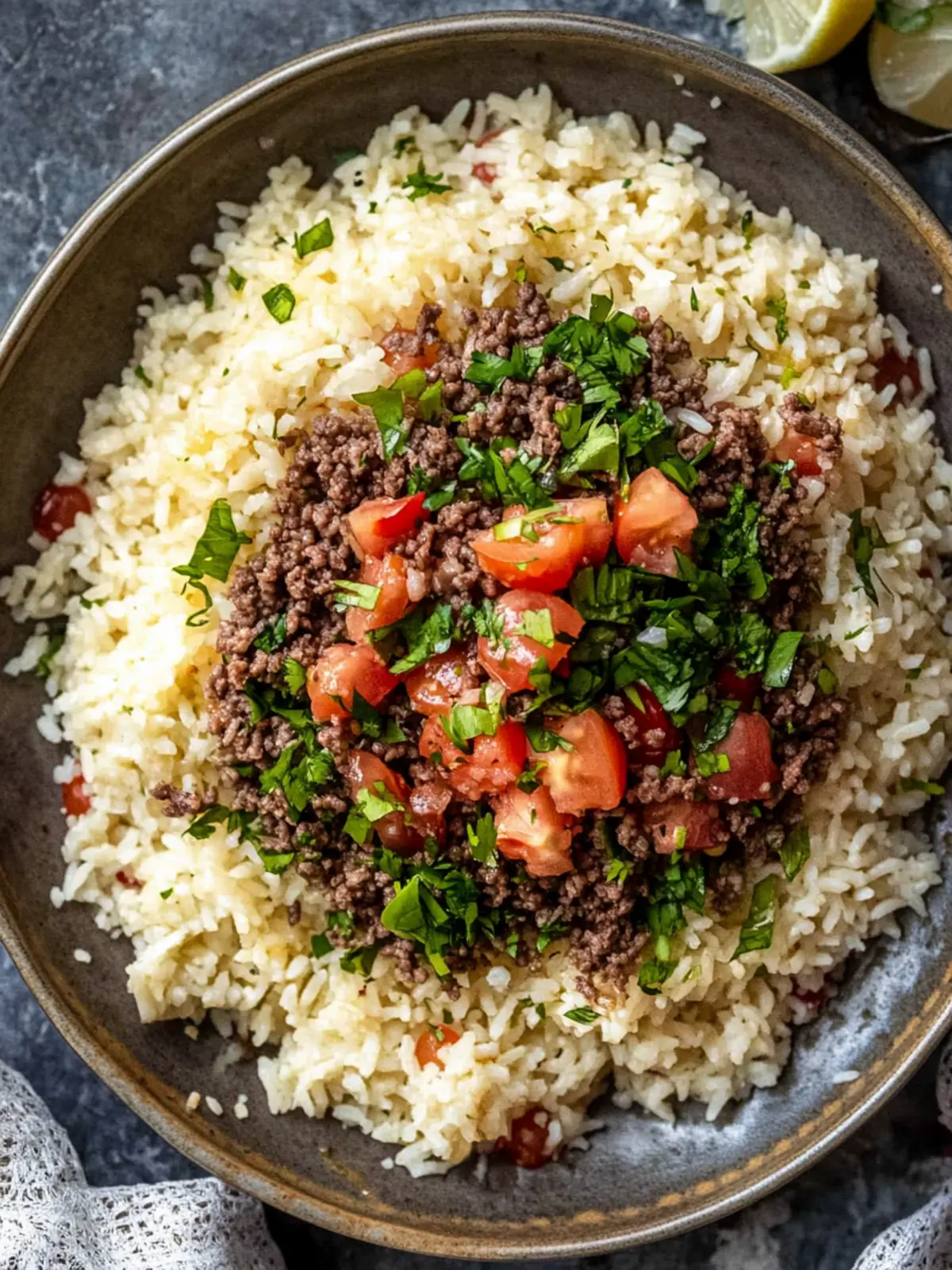
Hashweh with Lebanese Rice Pilaf Recipe FAQs
What type of rice is best for Hashweh with Lebanese Rice Pilaf?
Using basmati rice is essential for authentic flavor and fluffy texture. It’s aromatic and pairs perfectly with the spices used in this recipe. If you’re in a pinch, you could use jasmine rice, but basmati really gives that signature taste!
How should I store my leftover Hashweh?
Absolutely! Store any leftover Hashweh in an airtight container in the fridge for up to 3 days. When reheating, add a splash of water to keep it moist, either on the stovetop or in the microwave. Just a quick stir will help everything heat evenly!
Can I freeze Hashweh with Lebanese Rice Pilaf?
Yes, you can! To freeze, portion the Hashweh into airtight containers or freezer bags, making sure to remove as much air as possible. It will keep well for up to 2 months. For reheating, I recommend thawing it overnight in the fridge. Then, heat it on the stovetop or microwave, stirring occasionally for even warmth.
What should I do if my rice is overcooked or mushy?
If you find your rice has turned mushy, don’t worry! You can try spreading it out on a baking sheet to cool down, which might help it firm up a bit. The key is to avoid overcooking during the initial preparation; always check the rice around the 15-minute mark to ensure it doesn’t lose its ideal fluffy texture.
Are there any dietary considerations I should be aware of?
Of course! If you’re cooking for someone with nut allergies, be cautious with the pine nuts. You can simply omit them or substitute them with sunflower seeds for a similar crunch. Additionally, vegetarians can easily replace the ground meat with lentils or a meat substitute. Always check for allergies regarding spices as well!
How do I choose the best ingredients for this recipe?
The aromatics and spices play a significant role in the overall flavor. Opt for fresh spices when possible to enhance the taste, and for the meat, look for high-quality ground beef or lamb. When selecting parsley, choose vibrant green leaves without any dark spots, as fresh ingredients will elevate your Hashweh with Lebanese Rice Pilaf to the next level!
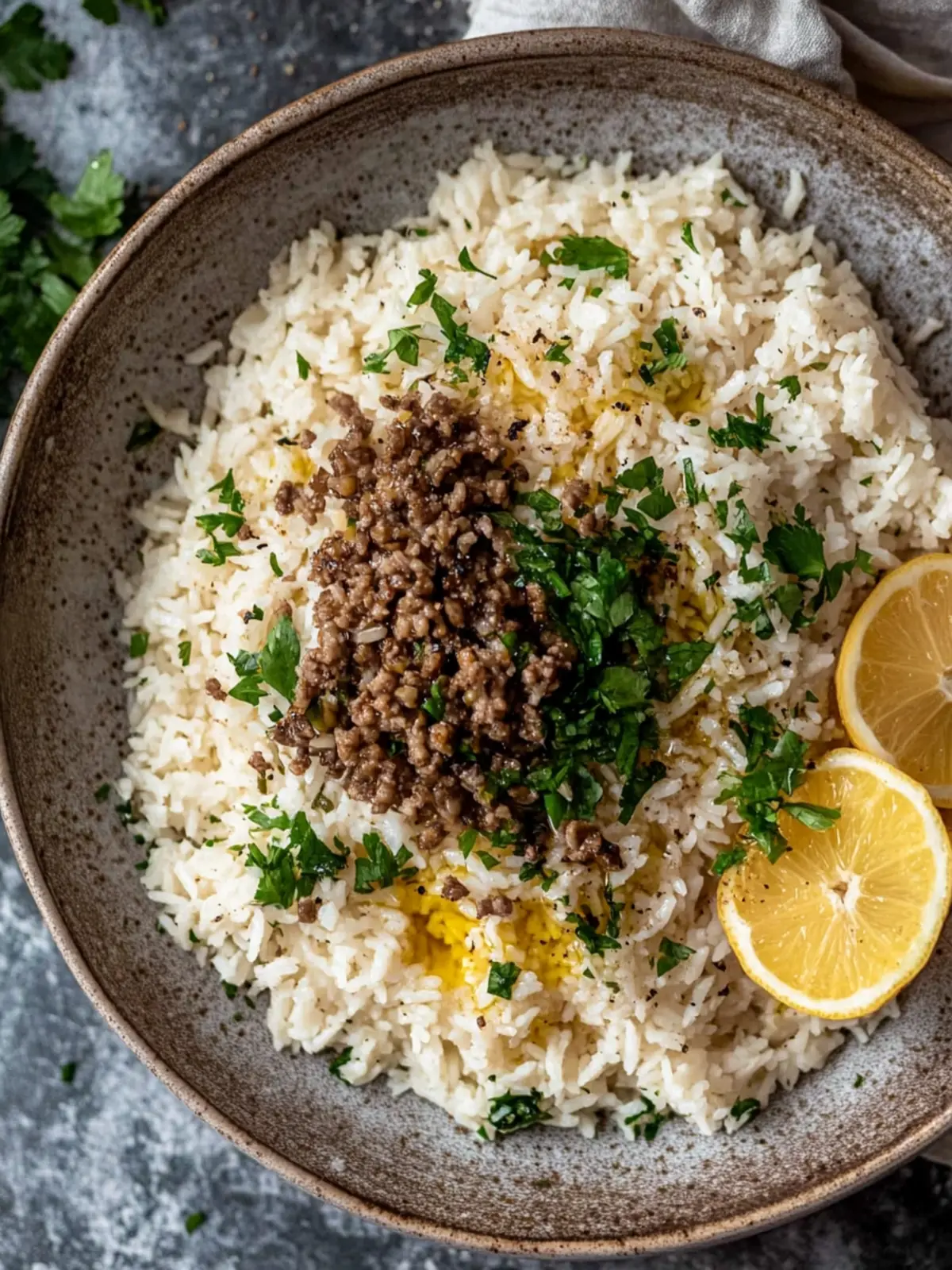
Wholesome Hashweh with Lebanese Rice Pilaf for Comfort Food Lovers
Ingredients
Equipment
Method
- Begin by heating 1/4 cup of ghee or butter in a pot over medium heat.
- Add the broken vermicelli pasta to the pot, cooking it until golden brown, approximately 3-4 minutes.
- Stir in the uncooked basmati rice, kosher salt, black pepper, and ground cinnamon until evenly mixed.
- Pour in 3 cups of boiling water or chicken stock. Bring to a boil, cover, and reduce to low heat. Simmer for about 15-20 minutes.
- In a separate pan, heat 2 tablespoons of ghee or butter, add pine nuts and minced onion, sauté until onion is translucent.
- Add ground beef or lamb to the pan, cook until browned, then stir in Lebanese 7 Spice and black pepper.
- Combine the meat mixture into the pot of cooked rice and stir well.
- Garnish with minced parsley and lemon wedges before serving.